
Most Australians sit down at a machine and assume the bright graphics tell the whole story. They do not. The real conversation is about 3d pokies house edge and odds, because that is what decides how long a balance survives an evening on the Gold Coast or at home on a quiet arvo. I have spent thirty years designing slot mechanics across more than three hundred releases, and I have watched licensed entertainment brands get bolted onto rigs that were never balanced for them. The result is usually a game that feels polished but quietly leans harder on the player than the marketing suggests.
How the edge hides inside a 3d pokie’s math
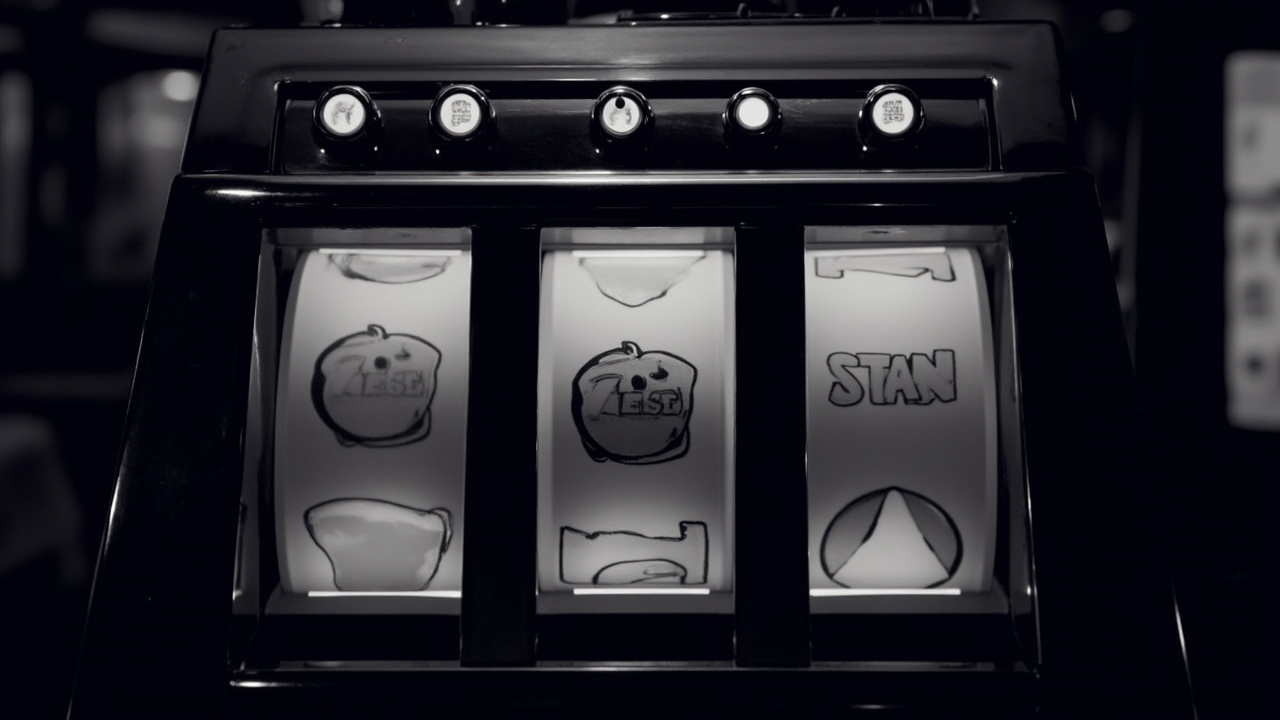
A pokie’s edge is not a single dial you can read off a screen, and that is where a lot of players get led astray. The return-to-player figure is an average across millions of spins, not a promise about your next ten minutes, and the variance around that average is what you actually feel when promocodesfairgo.org a bonus round stalls or a free-spin cascade runs dry. I once reviewed a licensed sports-themed pokie where the visible hit frequency looked generous, but the base-game paytable was tuned so that most small wins recycled credits faster than they built them, which pushed the effective edge higher during ordinary play. That kind of design choice is deliberate, and it is why two machines with similar advertised returns can feel completely different at the felt.
When you are weighing 3d pokies house edge and odds, the first question is whether the game’s bonus frequency genuinely extends play or just resets it. A well-tuned pokie gives you enough small returns to keep engagement steady without pretending the edge has shifted, while a poorly tuned one dresses up a high-variance cycle as excitement. I have seen operators lean on licensed characters to make a punishing paytable feel friendly, and that is a judgement call worth noticing before you commit a session budget. The graphics are there to hold your attention; the math underneath is what decides whether that attention costs you more than you planned.
If you want to compare how different table games handle their own edge, it helps to read a focused breakdown like which roulette variant wins before you assume a flashy pokie is automatically the softer option.
Reading the odds without getting distracted by the theme
Licensed themes can make a machine feel familiar, but familiarity is not the same as a softer house edge. The odds are set by the reel mapping, the symbol distribution, and the way bonus triggers are weighted, none of which changes just because a recognised character is on the screen. I have worked on titles where a brand licence was layered over a conservative paytable, and the only honest way to judge those games is to look at the long-run return and the frequency of meaningful payouts rather than the artwork. A theme can make a session feel lighter, but it does not rewrite the underlying odds.
The practical question is how much variance you are comfortable carrying into a session. A higher-edge pokie with frequent small returns can feel steady until a dry patch eats through a bankroll that was never built for that rhythm, while a lower-edge game with rarer hits can give you the same overall cost but a very different emotional ride. I usually tell players to treat the advertised return as a baseline and then ask themselves whether the game’s bonus structure actually changes the pace or just dresses it up. That is the difference between picking a machine that suits your patience and picking one that simply looks busy.
You can also check how a site presents its game information and bonus terms at https://winspirit-bonuscodes.com before you commit, because clear disclosure is one of the few things that makes odds easier to read.
Deposits, withdrawals and the cashier flow that protects your session
The odds matter, but so does the way money moves in and out of the cashier, because a smooth payment flow is what lets you stick to the limits you set before the first spin. A decent setup keeps AUD as the base currency, shows deposit and withdrawal limits plainly, and processes verification without making you chase it across multiple screens, which is the difference between a session you can control and one that turns into a paperwork exercise. I have watched players lose track of their own bankroll simply because the cashier buried the limits behind a few extra taps, and that is a design problem as much as a discipline problem.
Withdrawals should be predictable in timing and clear about what documentation is required, because nothing undermines a session plan faster than waiting on a payout while the game keeps asking for another click. A well-run platform treats verification as a one-time step, keeps the processing window reasonable, and does not hide the limits behind vague wording, which is the kind of discipline I expect from any operator that wants to keep players returning on their own terms. The edge on the machine is one thing; the edge a messy cashier gives to impulse play is another, and it is worth weighing both before you fund an account.
Benjamin Graham, Commercial Director, Yarra Gaming Lab, puts it plainly: “A transparent cashier with clear AUD limits and straightforward verification does more to protect a player’s session than any promotional banner ever will.”
Picking a session around limits, not around a theme
The best way to approach a pokie session is to decide what you are willing to spend and how long you want that spend to last, then choose a game whose rhythm matches that plan rather than one whose artwork catches your eye first. I have designed machines where the licensed hook was the obvious selling point, and I have also seen how quickly that hook can become expensive when the underlying edge and variance are ignored. A player who picks a game because the bonus frequency suits their patience will usually get more out of the same budget than one who chases a theme and hopes the math sorts itself out.
That decision is partly about the platform as much as the game, because a clear registration flow, a mobile layout that does not hide the paytable, and a loyalty programme that rewards steady play rather than chasing losses all make it easier to keep the session within the limits you set. I am not interested in pretending any setup removes the house edge, because it does not, but I am interested in whether the environment gives you enough clarity to play on your own terms. When the cashier is honest, the odds are readable, and the game’s rhythm matches your patience, the session is a choice rather than a drift.
A quiet session on the Gold Coast or anywhere else comes down to the same discipline: know the edge you are playing against, know the odds you are actually getting, and let the cashier and the game’s rhythm support the plan rather than work against it. No machine removes the house edge, and no bonus code changes the math, but a clear setup and a game picked for its pace rather than its theme will usually give you more control over how the evening goes.